







How AI is redefining product discovery in e-commerce
E-commerce has entered a new era. For years, brands focused on SEO, paid search and marketplaces to capture consumer attention.
E-commerce has entered a new era. For years, brands focused on SEO, paid search and marketplaces to capture consumer attention. But the rules have changed. Today, it is artificial intelligence that shapes buying journeys, through conversational engines, AI assistants built into mobile devices and online retail experiences, and generative recommendations. And in this quiet revolution, the way products are discovered is being completely reshaped.
A smoother, but more demanding, search experience
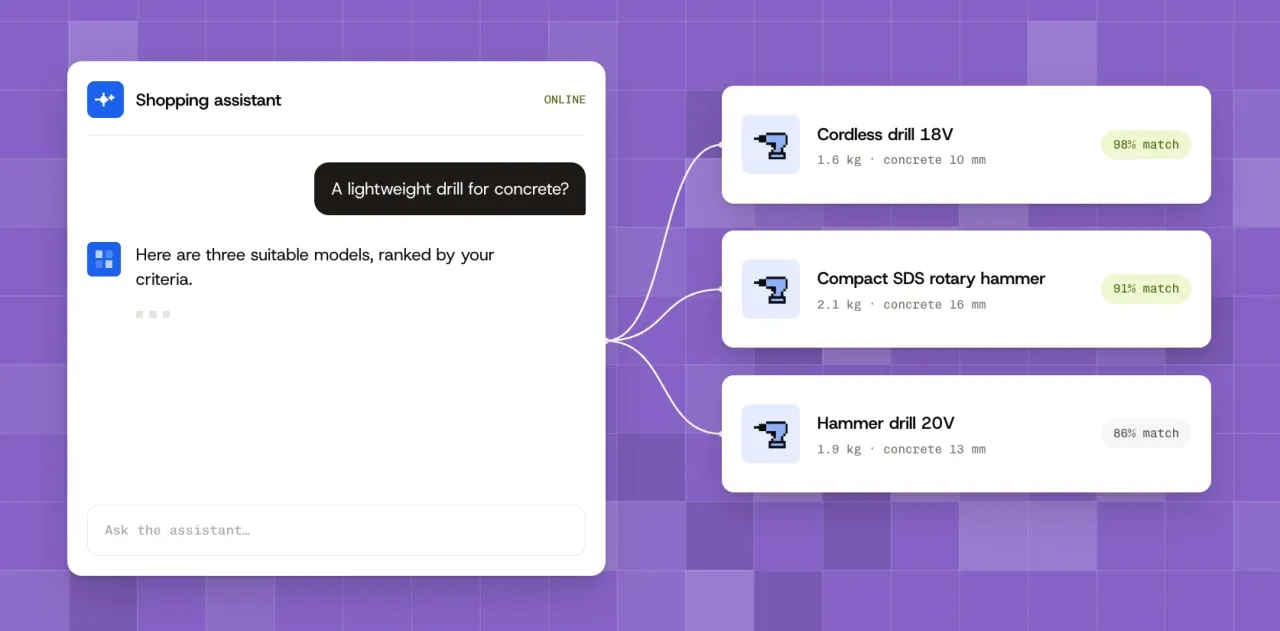
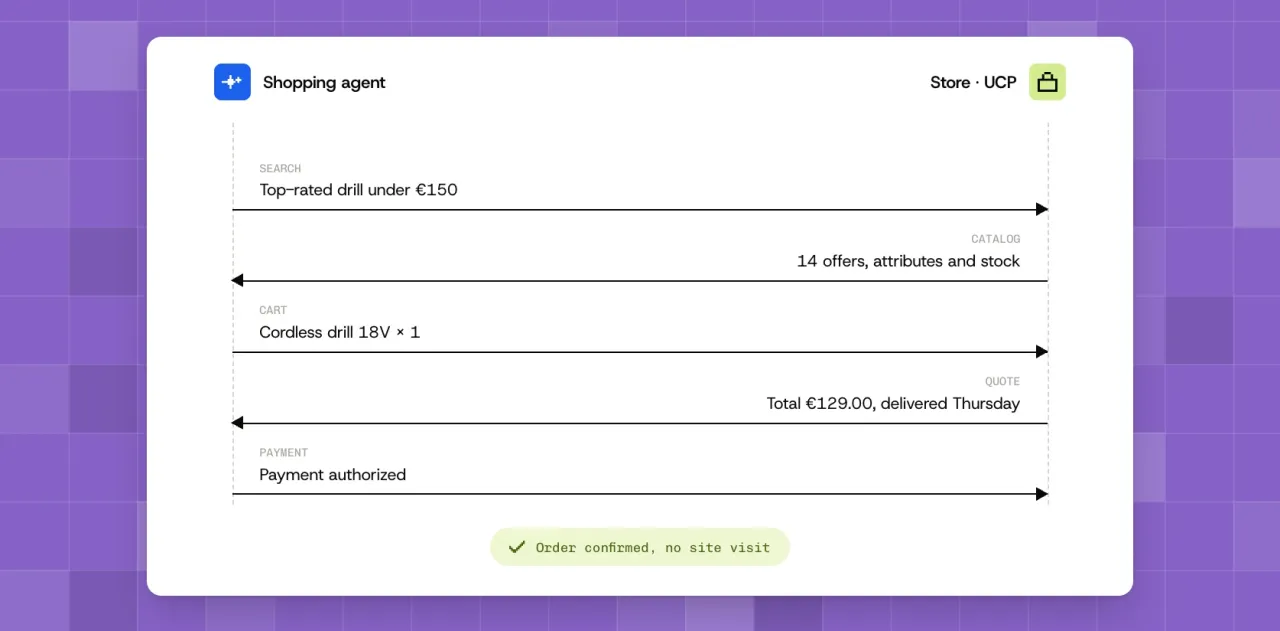
Classic keyword search is gradually being replaced by more natural interactions: users ask questions the way they would ask a sales associate in a store. “What is the best hedge trimmer for a sloping yard?”, “Is there a vegan alternative to leather for dress shoes?”. These queries call for single, concise, contextualized answers, not a list of results. And only brands able to structure their content for these new channels stand a chance of being cited.
This shift is not marginal. In 2025, according to McKinsey, more than 20% of online purchase decisions will be influenced by AI-generated answers. The term to remember? GEO, for Generative Engine Optimization: a new discipline that consists of optimizing product content so that language models can understand it, interpret it and use it.
What matters now: the quality of product data
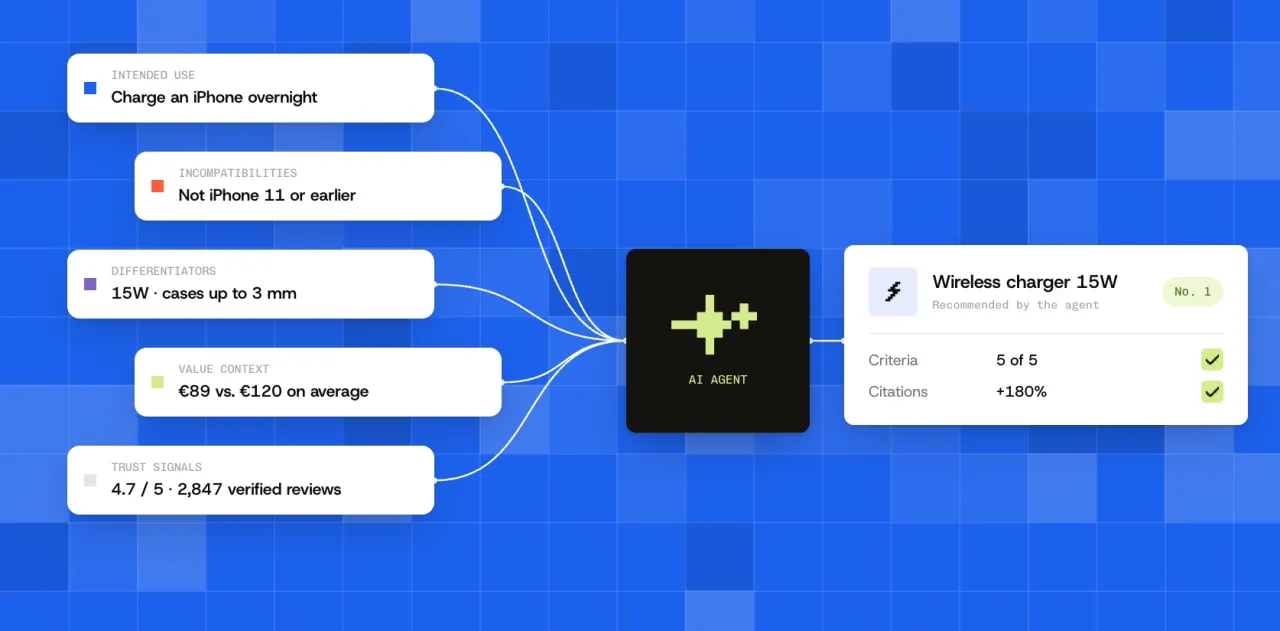
In this environment, approximate or generic content is no longer enough. Structured data, precise descriptions, well-filled attributes and relevant FAQs are what make the difference. AI assistants select information based on reliability, readability and the ability to answer a specific question concisely. This means every product page must no longer be designed as a simple shop window, but as a knowledge base AI can use.
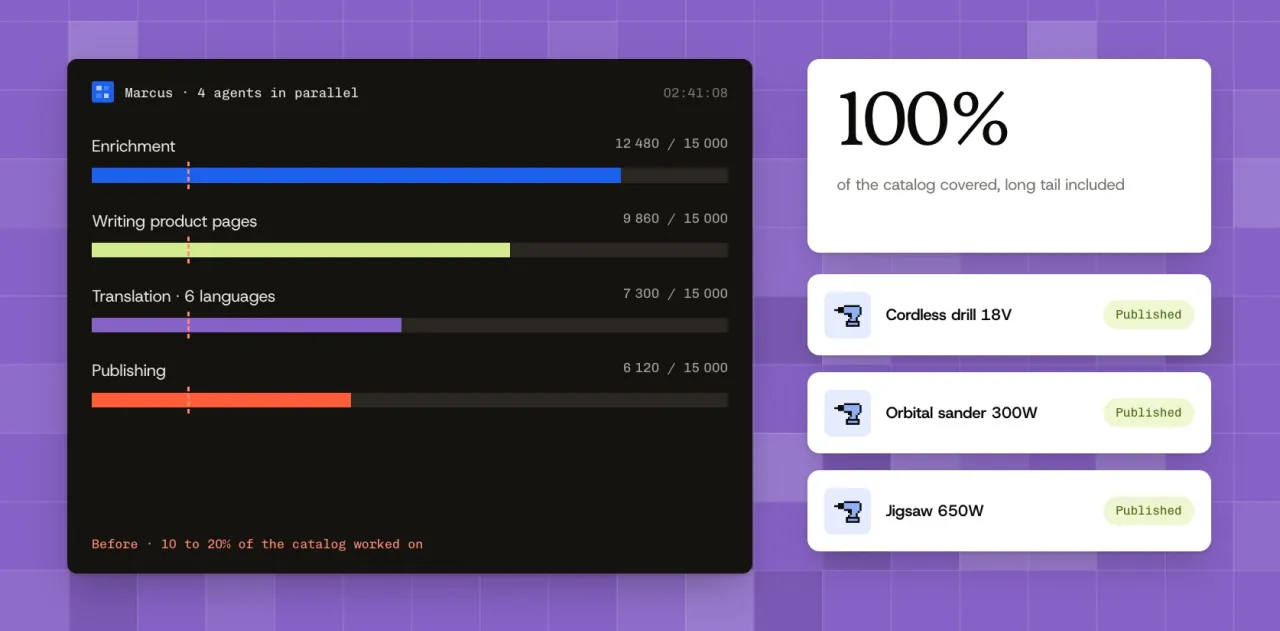
And that changes everything. Where the proliferation of channels and formats used to force e-commerce teams to manually produce content tailored to each platform, AI makes it possible to automate this task reliably, drawing on existing data, enriching it, structuring it and dynamically adapting it to the standards of each sales channel.
The new role of product content: inform, persuade, get listed
Today, product content is no longer just a conversion tool on an e-commerce site. It is becoming a driver of visibility in generative engines, a quality signal in automated recommendations, and a sales argument for voice interfaces and conversational agents. In other words, product content is becoming strategic.
But this shift is not simply a matter of copywriting. It requires an overhaul of internal processes: centralizing data, adopting standardized taxonomies, automatically enriching technical attributes, multilingual generation, adapting to the brand voice… all elements that cannot be mastered without specialized tools.
A shift that favors agile players
This transition to AI does not only benefit the e-commerce giants. On the contrary: it levels the playing field. A mid-size retailer, a DNVB or a niche marketplace can now appear in an AI assistant’s answers, provided it supplies clear, rich, well-structured content. At equal traffic volume, content precision becomes a major differentiator.
This is what we see every day at Upsellr: merchants who, by optimizing their content with a GEO-ready approach, gain visibility where they used to be invisible, increase their conversion rate and significantly reduce product returns.
Toward intelligent, tailored automation
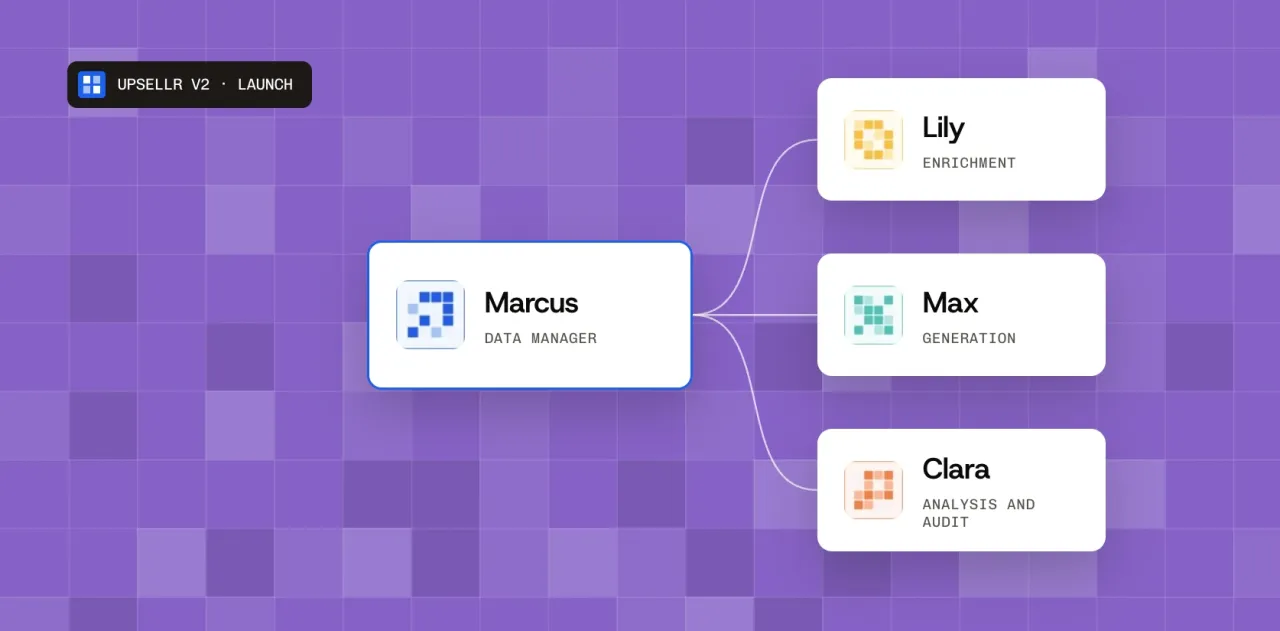
To keep pace, companies need to rely on technologies capable of turning raw data (EAN, product name, supplier spec sheet) into usable content at scale, with a high level of quality. That is precisely the mission of solutions like Upsellr: automating the enrichment, structuring and generation of product content, adapting to the specifics of each channel, each product category and each language.
Put simply, it is no longer just about saving time. It is about taking back control of your visibility, your relevance and your conversion. And about building a lasting competitive advantage in an e-commerce landscape where AI has become the new customer interface.
 Marcus




 Amazon