



Wines and spirits
The label doesn’t say it all.
The page does.
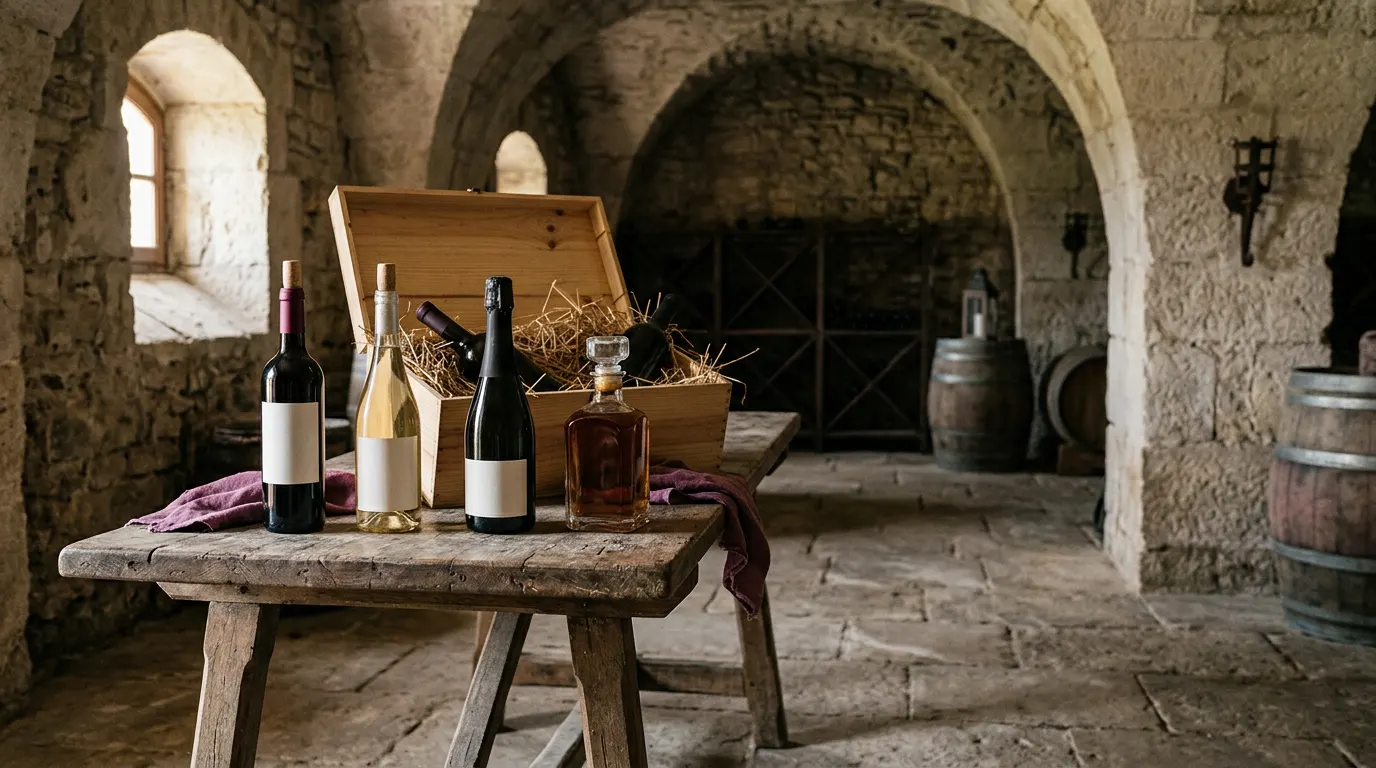
Grape variety, vintage, ageing, serving temperature: at a wine merchant’s, the customer gets the answer before choosing. Upsellr writes product pages that answer just as precisely, with the estate’s data and no made-up tasting notes, across your whole catalog.
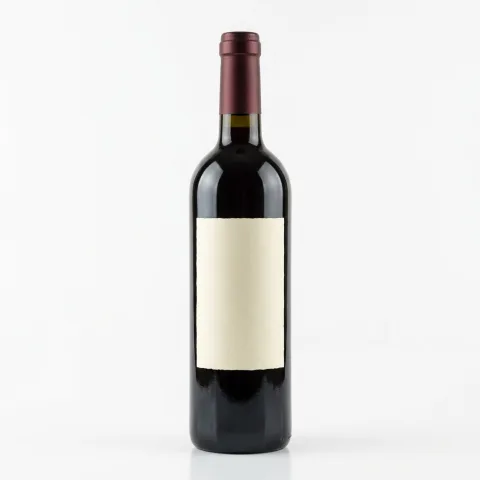
Côtes-du-Rhône red 2021, Grenache and Syrah, aged 12 months in large casks, 75 cl
A red of black fruit and spice, a blend of Grenache and Syrah, that goes with grilled meats and keeps for five years.
What you find in the glass
- Grenache and Syrah: black fruit and pepper
- 12 months in large casks: smooth tannins, subtle oak
Specifications
- Appellation
- Côtes-du-Rhône AOP
- Alcohol content
- 14% ABV
- Serving temperature
- 16 to 17 °C
- Ageing potential
- 5 years from the vintage
What the customer would ask the wine merchant
- “What kind of wine is it?”
- “Is it oaky?”
- “What temperature should I serve it at?”
01The aisle’s challenges
What raises doubts,
and what leads to the wrong choice.
Wine sells on details that change from one year to the next and on statements the label always carries. Six situations your customers run into every day, and what Upsellr does about them.
Red, white and rosé wines01
One cuvée, one vintage, one page
The same cuvée comes back every year with a different vintage, a different ABV, sometimes a different blend. A page still on the old vintage describes a bottle the customer won’t receive.
PDF extractionFrom the supplier
Côtes du Rhône red 75cl
On your page
Vintage 2021, 14% ABV, 70% Grenache and 30% Syrah: taken from the estate’s PDF technical sheet
The whole cellar02
No aroma or medal without a source
It’s tempting to write “notes of cherry and forest floor” or “gold medal” on a bottle that says nothing. A tasting note is only written if the product’s data carries it.
Generate contentFrom the supplier
Fruity red wine
On your page
Black fruit and pepper, according to the estate’s sheet; no award quoted without a source
The whole aisle03
75 cl, 0.75 L or 750 ml
Every supplier writes volume and ABV its own way. Your filters can no longer find the magnums, and two identical bottles look different.
Harmonized units and valuesFrom the supplier
75cl0.75 L13.5°
On your page
Volume: 75 cl, ABV: 13.5%, written the same way on every page of the channel
Spirits, beers and ciders04
A whisky has no vintage
Grape variety and vintage mean nothing for a whisky or a beer. Each family has its own attributes: spirit type and ageing on one side, beer style on the other.
Attributes by categoryFrom the supplier
Single malt whisky 70cl 43°
On your page
Spirit type, ageing, ABV and volume filled in, with no empty grape variety field
The whole cellar05
The label’s statements, on the page too
ABV, allergens and the health message appear on every label; the supplier file often leaves them out. The page carries them, in the same place, for every bottle.
Page structureFrom the supplier
No statements
On your page
13.5% ABV, contains sulphites. Excessive drinking is harmful to your health, please drink responsibly.
Organic and natural wines06
AB, Demeter, HVE: a label has to be proven
Organic, biodynamic, no added sulphites: these statements sell and commit the seller. They’re only written if the estate declares them, with a certificate to back them up.
Document selectionFrom the supplier
Organic
On your page
AB certified, according to the estate’s certificate attached to the page
02The Wines and spirits library
Everything a cellar product page needs,
ready to go.
Upsellr gives you a library built for wines and spirits: the cellar’s product families, each family’s attributes with their units and value lists, and the fields that make up a product page in the sector. Your Wines channel starts with it, with nothing to model.
- 10cellar families
- 23tasting and origin attributes
- 18ready-made value lists
- 4page fields, each with its instructions
 Marcus
Your channel receives the sector library: its families, their characteristics and their value lists.
The sector’s page template arrives with its sections, each with its own expert instructions.
Every generated page follows this template, with your product’s data.
03The aisle’s tone
Precise and understated,
never lyrical.
The reader wants to know what’s in the bottle, not read a poem about terroir. Every element is linked to what it produces in the glass.
An exceptional nectar that will seduce the most demanding palates! This divine wine will elevate every meal.
Grenache and Syrah, aged twelve months in large casks: black fruit, a peppery note and smooth tannins. 14% ABV. Serve between 16 and 17 °C, keeps for five years.
Do
- Grape variety, vintage, ageing and ABV stated explicitly
- Every winemaking choice linked to what it gives on the palate
- Ageing potential and serving temperature in figures
- A tasting note taken from the sources, presented as such
Avoid
- Superlatives, “nectar”, “divine”
- A wine that “seduces” or “reveals itself”
- Any medal or press rating missing from the sources
04In the sector
One cellar,
four ways to sell it.
 Wine traders and wholesalersThousands of cuvées from hundreds of estates, in Excel, CSV or PDF technical sheets.
 Wine merchants and online wine shopsNew vintages to get online fast, without copying out every technical sheet.
 Estates, houses and distilleriesThe same cuvée page at every reseller and in every language.
 Retail chains and wine shop networksThe same product standards on the website, in store and in the catalogs.
Your questions.
Straight answers.
What you need to know before you start.
Does Upsellr write tasting notes?
Only those the product’s data carries: the estate’s technical sheet, the producer’s website, documents provided. An aroma, a medal or a press rating without a source is never written, and every value found keeps its source.
How are vintage changes handled?
Vintage, ABV and blend are master data attributes. When the estate publishes the new vintage’s sheet, the enrichment agent picks up the new values, and the page is regenerated with them, then waits for your approval.
Do mandatory statements appear on the pages?
The page template can carry a field dedicated to statements, with its instructions: ABV, allergens, health message. Upsellr doesn’t replace your regulatory check, and nothing is published without your approval.
I also sell on Amazon or other marketplaces: how does that work?
Each marketplace listing is written to the channel’s rules: category, mandatory attributes, value lists. Connectors are on their way; in the meantime, the listing exports in the marketplace’s template.
My store already has its categories: what happens to the sector library?
It’s a starting point while your store can’t be read yet. As soon as your Shopify or PrestaShop store, or your Akeneo PIM, is connected, your own categories apply, and you can add your own attributes.
Other sectors
Your online cellar,
with a wine merchant’s pages.
Try it on your cuvées or see Upsellr on your catalog in a personalized demo.





 Amazon