



Beauty and fragrance
At the counter, you try it.
Online, you read the page.
For what skin type, what texture, what top notes, how long after opening: at the counter, a beauty advisor answers at a glance. Upsellr writes product pages that answer just as well, with the manufacturer’s data, across your whole catalog.
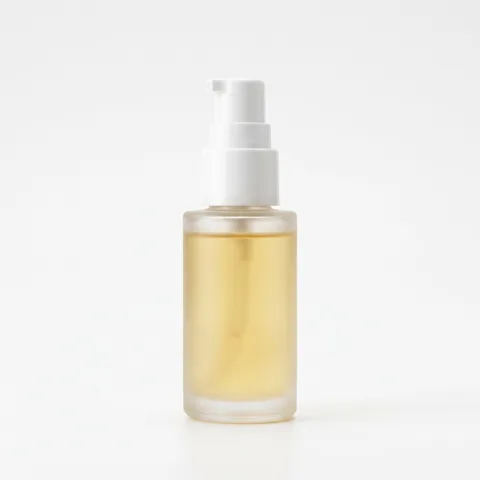
Vitamin C and hyaluronic acid face serum, 30 ml, pump bottle
A morning treatment for dull skin: its fluid texture absorbs in seconds and goes on clean skin, before moisturizer.
What it brings to the routine
- Stabilized vitamin C: radiance without tingling
- Fragrance-free and alcohol-free: suitable for reactive skin
Product specifications
- Skin type
- All skin types
- Key active ingredients
- Vitamin C, hyaluronic acid
- When to apply
- Morning
- Period after opening
- 6 months
What the customer would ask the beauty advisor
- “When do I apply it, before or after my moisturizer?”
- “Doesn’t vitamin C sting?”
- “How long does it keep once opened?”

01The aisle’s challenges
What the customer can’t try,
the page has to tell her.
Beauty is a regulated aisle where people buy without touching or smelling. Six situations your customers run into every day, and what Upsellr does about them.
Face care01
For which skin, exactly?
The supplier file describes the formula, rarely the person it’s for. Without a skin type or a targeted concern, the customer doesn’t know whether the product is for her and your filters stay empty.
Website searchFrom the supplier
Moisturizing cream 50ML
On your page
Skin type: dry. Targeted concern: hydration, found on the manufacturer’s website
Complexion make-up02
One shade, three ways to write it
Every brand names its shades its own way. Without a common scale, the shade filter is useless and two similar foundations look unrelated.
Harmonized units and valuesFrom the supplier
02 BeigeLight beigeFair 02
On your page
Shade: Light, the same scale on every foundation of the channel
The whole aisle03
What’s printed on the packaging
Period after opening, ingredient list, precautions for use: the customer checks them, the channel requires them. They’re printed on the packaging, rarely in the file.
Photo analysisFrom the supplier
No information
On your page
Period after opening: 12 months. Ingredient list taken from the photo of the label
Skincare and sun care04
A claim is substantiated, never made up
Organic, vegan, hypoallergenic: every claim commits the seller. A page that adds one missing from the sources isn’t clumsy, it’s at fault.
Generate contentFrom the supplier
Sun cream SPF50 sensitive skin top quality
On your page
SPF 50, dermatologically tested according to the manufacturer. No claim beyond the sources
Fragrances05
Describing a scent nobody can smell
A fragrance is chosen by its olfactory family, its notes and its concentration. The supplier often sends a name and a volume, nothing more.
Complete your existing catalogFrom the supplier
EDP 50ML
On your page
Eau de parfum, 50 ml: woody family, citrus top notes, stated longevity of 8 hours
The sector’s marketplaces06
Amazon and the rest: their rules, not yours
Every marketplace has its own beauty categories, mandatory attributes and value lists. An incomplete listing doesn’t go live.
MarketplacesFrom the supplier
Category: Skincare
On your page
Filed in the marketplace’s category tree, volume and shade in its lists, exported in its template
02The Beauty library
Everything a beauty product page needs,
already sorted by aisle.
Upsellr gives you a library built for beauty and fragrance: the aisle’s product families, each family’s attributes with their units and value lists, from skin types to olfactory families, and the fields that make up a product page in the sector. Your Beauty channel starts with it, with nothing to model.
- 10product families
- 40product attributes
- 31ready-made value lists
- 4page fields, each with its instructions
 Marcus
Your channel receives the sector library: its families, their characteristics and their value lists.
The sector’s page template arrives with its sections, each with its own expert instructions.
Every generated page follows this template, with your product’s data.
03The aisle’s tone
Named active ingredients
instead of promises.
Informative and measured, never advertising copy: the customer wants to know what the product contains and what she can reasonably expect from it.
This miracle serum will transform your skin! Visible results from the very first application for a flawless complexion.
Stabilized vitamin C and hyaluronic acid, in a fluid texture that layers under moisturizer. Three to four drops in the morning, on clean skin. Fragrance-free and alcohol-free, for reactive skin.
Do
- Named active ingredients and described gestures
- The skin or hair type, stated explicitly
- When to apply and where it sits in the routine
- Manufacturer data presented as such: “stated longevity of 8 hours”
Avoid
- Superlatives, promises of transformation, exclamation marks
- Medical vocabulary
- Any active ingredient percentage missing from the sources
04In the sector
From bottle to shelf,
four ways to sell it.
 Cosmetics wholesalers and distributorsThousands of references from dozens of brands, each with its own shade names and its own files.
 Independent perfumeries and beauty e-shopsNew launches and limited editions to get online before they sell out.
 Skincare, make-up and fragrance brandsThe same active ingredients and the same mandatory information at every reseller and in every language.
 Perfumery and pharmacy chainsThe same product standards on the website, in store and on marketplaces.
Your questions.
Straight answers.
What you need to know before you start.
Does Upsellr pick up the ingredient list?
Yes, when it’s in your sources: supplier file, manufacturer’s website, PDF sheet or photo of the label. The enrichment agent keeps it with its source. If it’s nowhere to be found, it stays missing: nothing is made up.
Can the AI add a claim such as “organic” or “vegan”?
No. Claims are product attributes, written only if they’re in the product’s data, with their source. The aisle’s tone rules out promises of results and medical vocabulary, and nothing is published without your approval.
How are make-up shades written?
The master data keeps the shade name the brand gave it. At generation, each channel’s page also places the shade on a common scale, from very fair to very deep, so your filters work.
I also sell on Amazon or other marketplaces: how does that work?
Each marketplace listing is written to the channel’s rules: category, mandatory attributes, value lists. Connectors are on their way; in the meantime, the listing exports in the marketplace’s template.
My store already has its categories: what happens to the sector library?
It’s a starting point while your store can’t be read yet. As soon as your store or your PIM is connected, your own categories apply, and you can add your own attributes.
Other sectors
Your beauty aisle,
with pages that inform.
Try it on your products or see Upsellr on your aisle in a personalized demo.





 Amazon