









Digital Product Passport: a quiet revolution set to upend e-commerce
At first glance, the idea of a "digital product passport" may seem technical, even bureaucratic.
At first glance, the idea of a “digital product passport” may seem technical, even bureaucratic. But behind the name lies a radical transformation: a new standard that will profoundly change the way brands describe, structure and distribute their products. And this is not a forecast. It is a European regulatory reality that will gradually apply to every e-commerce player.
The DPP, or how Europe is imposing transparency at scale
The Digital Product Passport (DPP) is a mechanism introduced under the European Green Deal. Its aim is to provide, for every product placed on the market, a structured set of reliable information accessible to all stakeholders: consumers, resellers, platforms and regulatory authorities.
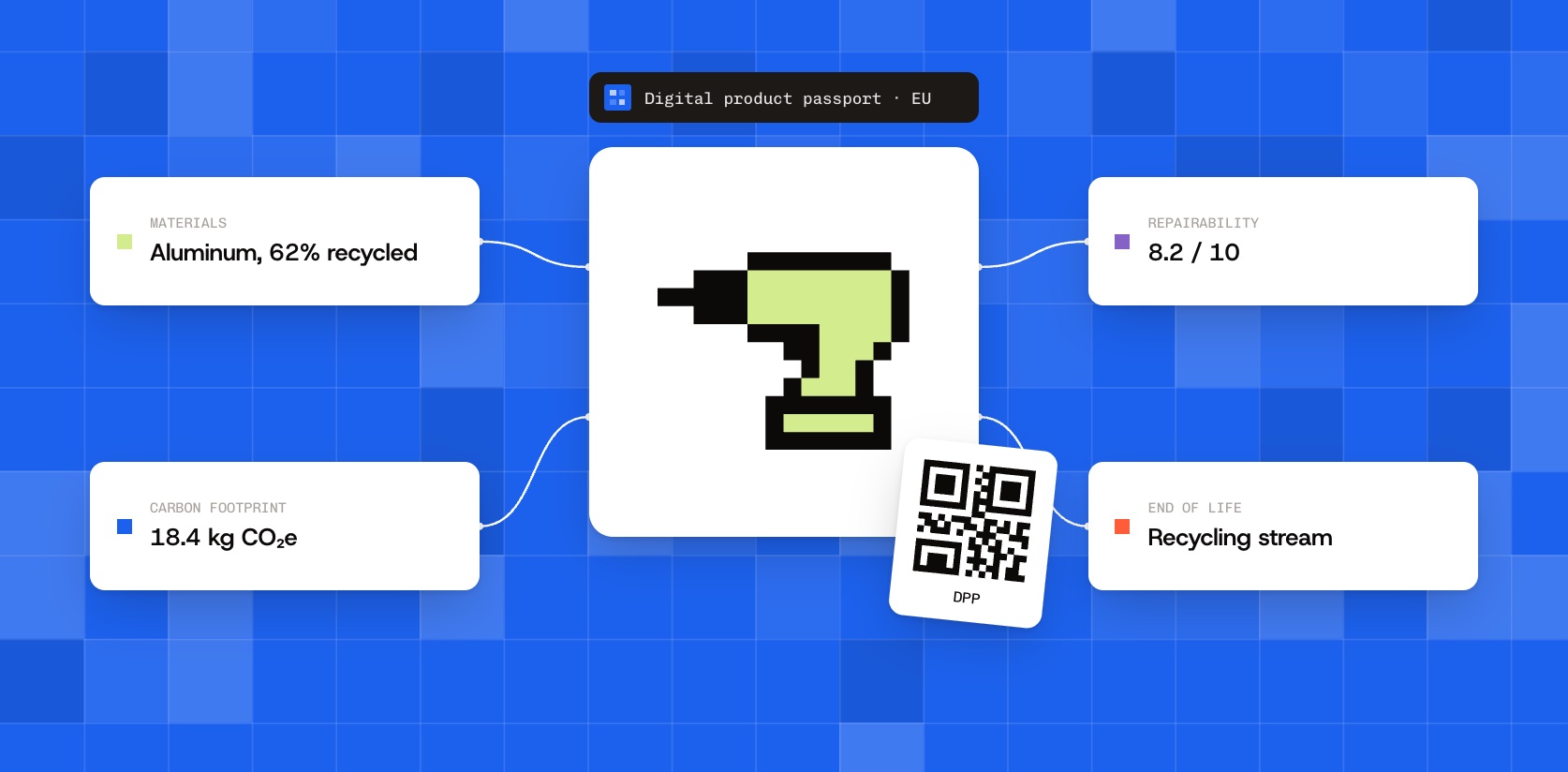
This passport will include data on:
- the product’s composition (materials, substances)
- its repairability, durability and recyclability
- its origin and manufacturing chain
- its labels (environmental, social, geographic…)
- regulatory information (INCI, allergens, sorting instructions…)
In other words, it is no longer just a marketing argument: it is a standardized, mandatory, interoperable and traceable documentary foundation.
A regulatory constraint? Yes. But above all a strategic opportunity.
Some will see the DPP as added complexity. Yet for brands and retailers that know how to structure their product data, it is a tremendous opportunity to stand out.
Why?
- Because it builds trust: consumers expect proof, not slogans.
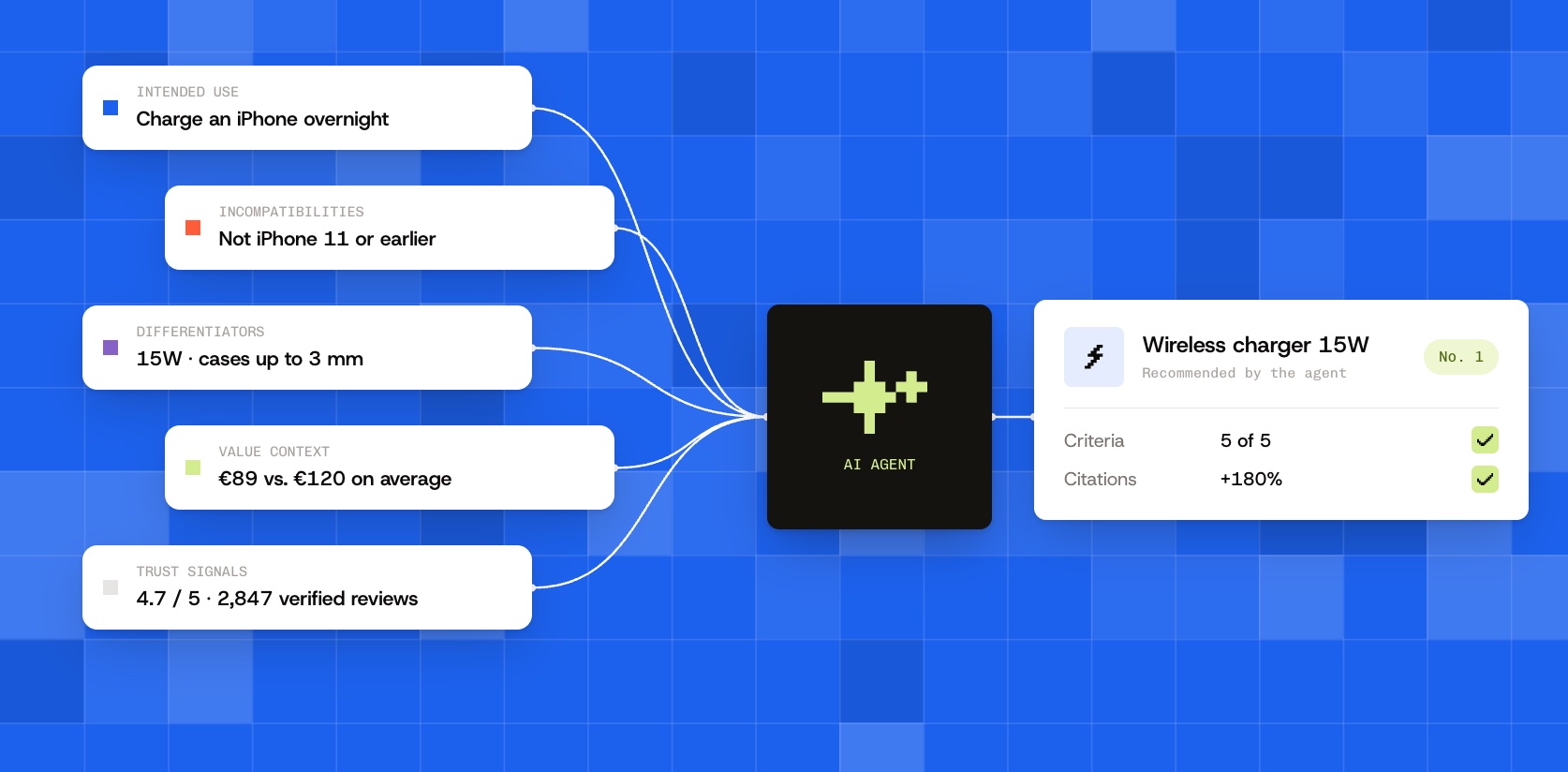
- Because it directly feeds conversational AI engines, which favor the most complete and reliable content.
- Because it improves the quality of your product pages on marketplaces, which are often penalized for thin or non-compliant content.
- Because it makes exporting, tenders and catalog automation easier.
In short, what looks like an obligation becomes a lever for visibility, performance and competitiveness.
Upsellr: natively DPP-ready
At Upsellr, we did not wait for the DPP to take effect to build a technology centered on the intelligent structuring of product data. Our approach relies precisely on the ability of AI to:
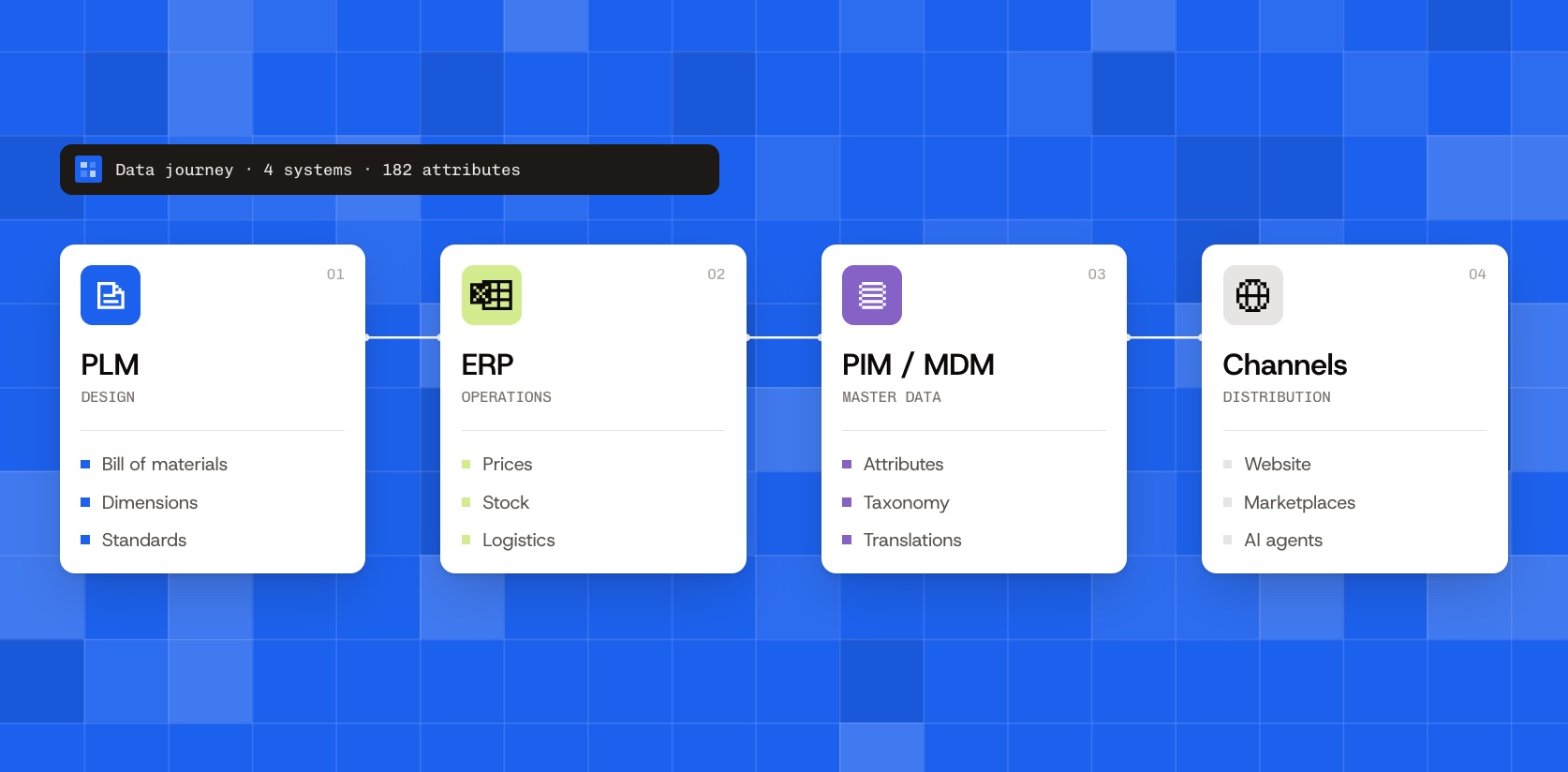
- 01Collectreliable data from spec sheets, manufacturer websites and regulatory databases
- 02Structurethis data according to an enriched taxonomy that meets industry requirements
- 03Generatethe right attributes, the right content and the right formats for each sales channel
- 04Distributethis content to an e-commerce site, a marketplace, a DPP record or a legal database
In other words, we do not create product content. We create enriched, reliable, actionable documentation that feeds an SEO engine just as well as an AI assistant or a traceability system.
Product content becomes a compliance object
The DPP marks a paradigm shift. It is no longer simply about winning over the buyer with storytelling. It is about meeting a requirement for accuracy, auditability and accountability.
E-commerce, product marketing and compliance teams will have to work hand in hand. And this work cannot be done by hand. It will require tools capable of aggregating, checking, cross-referencing and formatting dozens of attributes in real time.
The DPP is to product data what the GDPR was to personal data
Those who prepare early will have a lasting advantage. Those who wait risk having to react in a rush, at the expense of quality, budget and compliance.
Upsellr’s advice: build DPP logic into your product strategy now. Do not treat it as a regulatory silo, but as an opportunity to overhaul your content, showcase your commitments and build a lasting structure for all your channels.

 Marcus





 Amazon